
Infrastructure

Infrastructure your assessors—and your on-call rotation—can reason about.

Cloud defaults are fast until residency, isolation, recovery, or regulatory scrutiny becomes non-negotiable. We engineer environments where boundaries, credentials, backups, and change management are explicit—so automation, data, and applications share a stable floor instead of mystery networking, tribal knowledge, and heroics during incidents.

What this practice covers

Platform foundations for regulated and hybrid reality

We work across public cloud, hybrid, and colocation patterns—whatever matches your residency, latency, and legacy constraints. The objective is not a generic “well-architected” sticker; it is an estate where your teams can answer: who can access what, how data moves, how it is encrypted, how it is backed up, and how you would actually fail over when the primary region misbehaves.
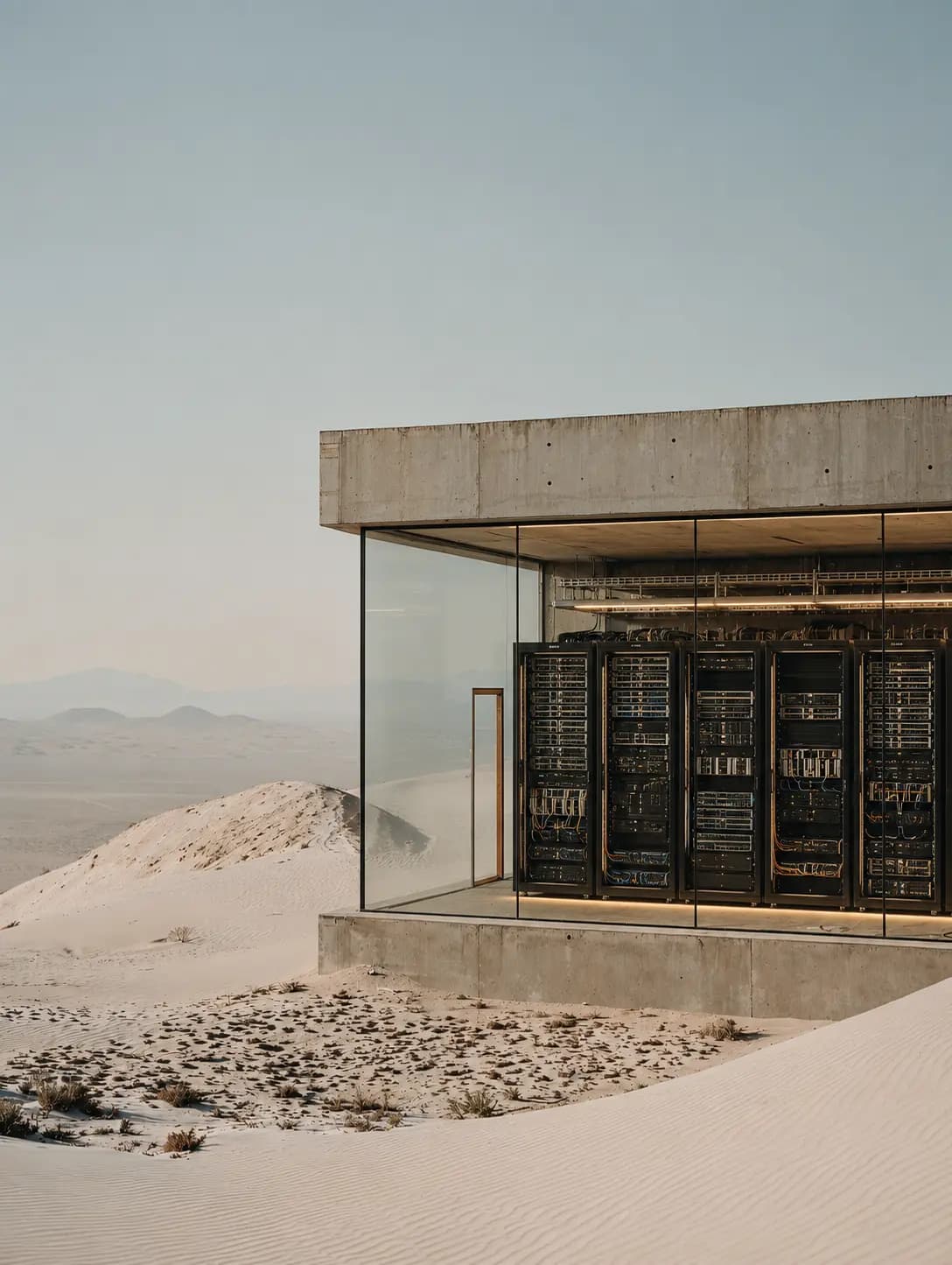
Engagements often pair with Automation and Data work: schedulers, workers, and pipelines fail the same way platforms fail— unclear ownership, untested restore paths, and secrets sprawl. We align compute, networking, and identity so production behavior matches what you rehearse.

Posture

Layers we treat as one system, not four tickets

Identity & access

Least privilege, break-glass, and federation patterns that match how your workforce actually signs in.

We map humans, workloads, and CI/CD principals to a coherent model: role lifecycles, permission boundaries, emergency access with logging, and periodic access reviews supported by evidence—not exports from three consoles that disagree.

Network & segmentation

East-west boundaries, egress control, and service exposure aligned to data classification.

Flat VPCs age poorly. We design segmentation for blast-radius containment, explicit ingress/egress paths, private connectivity to SaaS and on-prem where needed, and inspection or logging hooks that security operations can actually use.

Data plane, encryption & residency

Region strategy, key scope, and retention tied to legal and operational requirements.

Encryption in transit and at rest, key custody (KMS/HSM patterns), data classification touchpoints, and region selection with failover implications spelled out—not assumed. Retention and legal hold requirements feed backup and logging design.

Operations, backup & continuity

Backups, restores, failover drills, and incident roles with RPO/RTO you have tested.

Backup scope matches restore drills: application-consistent where required, restore runbooks with time targets, tabletop and technical exercises, and clarity on what “DR” means for each tier (active-active vs pilot light vs restore-to-cloud).

Platform mechanics

Landing zones, environments, and change discipline

Accounts, subscriptions & landing zones

Multi-account or multi-subscription patterns for separation of duties, cost allocation, and blast-radius control. Baseline guardrails (tagging, logging, backup policies, baseline networking) applied as code—so new teams inherit standards instead of reinventing them.

Infrastructure as code & drift

Git-backed definitions, review workflows, and drift detection appropriate to your maturity. The point is not dogma about a single tool; it is that production changes are traceable, reversible, and reviewable—especially when auditors ask what changed before an incident.

Secrets, certificates & rotation

Centralized secret storage, workload identity over long-lived keys where possible, rotation cadences, and break-glass procedures. Certificate lifecycle (internal PKI or managed CAs) designed so expiry does not become a quarterly emergency.

Observability & operational readiness

Metrics, logs, and traces grounded in service ownership: SLOs where they matter, alert routing that respects on-call, and dashboards that tie infra health to workload health—so automation owners are not guessing whether the problem is “the pipeline” or “the cluster.”

Programs

Choose the front door; the engineering discipline stays the same

ProgramWhen it fitsTypical outcomes
Greenfield platformNew product, division, or acquisition integration needing clean isolation from legacy; regulated data from day one.Landing zone, guardrails, CI/CD patterns, observability baseline, and documented account/network topology.
Hardening & migrationYears of organic growth: overlapping CIDRs, ad hoc peering, mystery security groups, and secrets in too many places.Phased migration plan, reduced blast radius, consolidated logging and identity, technical debt backlog with risk ordering—not a risky big-bang cutover.
Continuity & DRBoard, insurer, or customer diligence asking for evidence beyond “we take snapshots.”Defined RPO/RTO by tier, restore drills with measured results, runbooks, and incident roles exercised—not slide-deck assumptions.
Security & compliance alignmentPreparing for ISO, SOC, sector regulators, or a major customer security review; technical narrative must match controls.Architecture decision records, control mapping artifacts, evidence collection hooks, and remediation plans tied to realistic timelines.

Deliverables

What you can hand to IT, security, and auditors

  • Reference architecture diagrams and data-flow views with trust boundaries labeled
  • Control mapping narratives aligned to your chosen framework (or customer questionnaire structure)
  • Runbooks: backup/restore, failover, break-glass access, certificate renewal, key rotation
  • Environment promotion model and change-management checklist
  • Observability catalog: what is logged, where it lands, retention, and who owns alerts

Evidence, not vibes

Certifications and attestations belong to your organization. Our job is to make the technical story consistent and reproducible— so you are not reconstructing intent from Slack threads during review season. That means decisions, tests, and exceptions are recorded where assessors expect them.

We are comfortable working alongside your internal security team or external assessors; we speak in controls and evidence, not marketing architecture.

Automation and data pipelines inherit DNS, TLS, identity, quotas, and failure domains from the platform. When those are ambiguous, every workflow becomes a special case. We align compute, scheduling, networking, and secrets so behavior in disaster rehearsal matches normal Tuesday traffic—and incidents have a single place to start triage.

Bring your constraints first

Residency, legacy dependencies, procurement vehicles, and existing tool contracts shape architecture more than any reference diagram. Send them upfront—we respond with a technical path and tradeoffs, not a brochure. Use Consultation for structured intake or Contact for general inquiries.